SIM Card vs eSIM vs Pocket WiFi: Which is Best for Your Japan Trip?
The ultimate comparison of internet options for tourists in Japan. We break down cost, convenience, speed, and coverage to help you choose the perfect connectivity solution.
| Price | ||||
|---|---|---|---|---|
| Price | ¥3,000 ~ ¥5,000 | ¥3,500 ~ ¥4,500 | ¥1,500 ~ ¥2,500 | ¥5,000 ~ ¥8,000 |
| Rating | ★4.3 | ★4.2 | ★4.3 | ★4.1 |
| Buy on Amazon Japan | Buy on Amazon Japan | Buy on Amazon Japan | Buy on Amazon Japan |


The Big Question: How to Stay Connected in Japan?
Every tourist visiting Japan faces the same decision: SIM card, eSIM, or pocket WiFi? Each has clear pros and cons, and the best choice depends on your trip style.
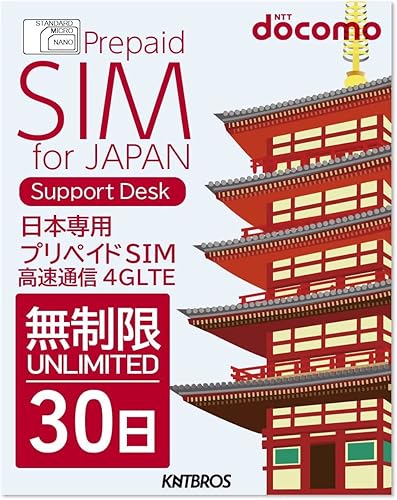
Physical SIM Card
The traditional option. Buy a SIM card, swap it into your phone, and you're connected. Available in 7-day and 30-day options.
Best for: Budget travelers with unlocked phones who want simple, reliable data.
eSIM
The modern solution. No physical card needed — just scan a QR code and activate. Works on newer phones (iPhone XS and later, most recent Android phones).
Best for: Tech-savvy travelers who want instant activation and don't want to handle tiny SIM cards.
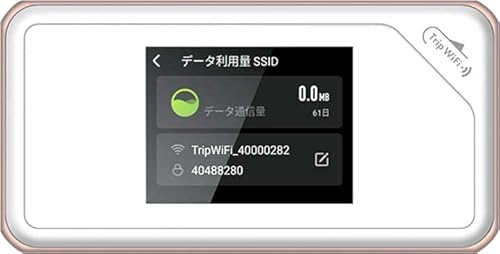
Pocket WiFi
A portable router that creates a WiFi hotspot. Connect up to 10 devices simultaneously.
Best for: Families and groups who want to share one data plan across multiple devices.
Our Recommendation
For most solo travelers, we recommend the eSIM — instant activation, no physical card to lose, and great Docomo coverage. For groups, pocket WiFi is the most cost-effective option.